
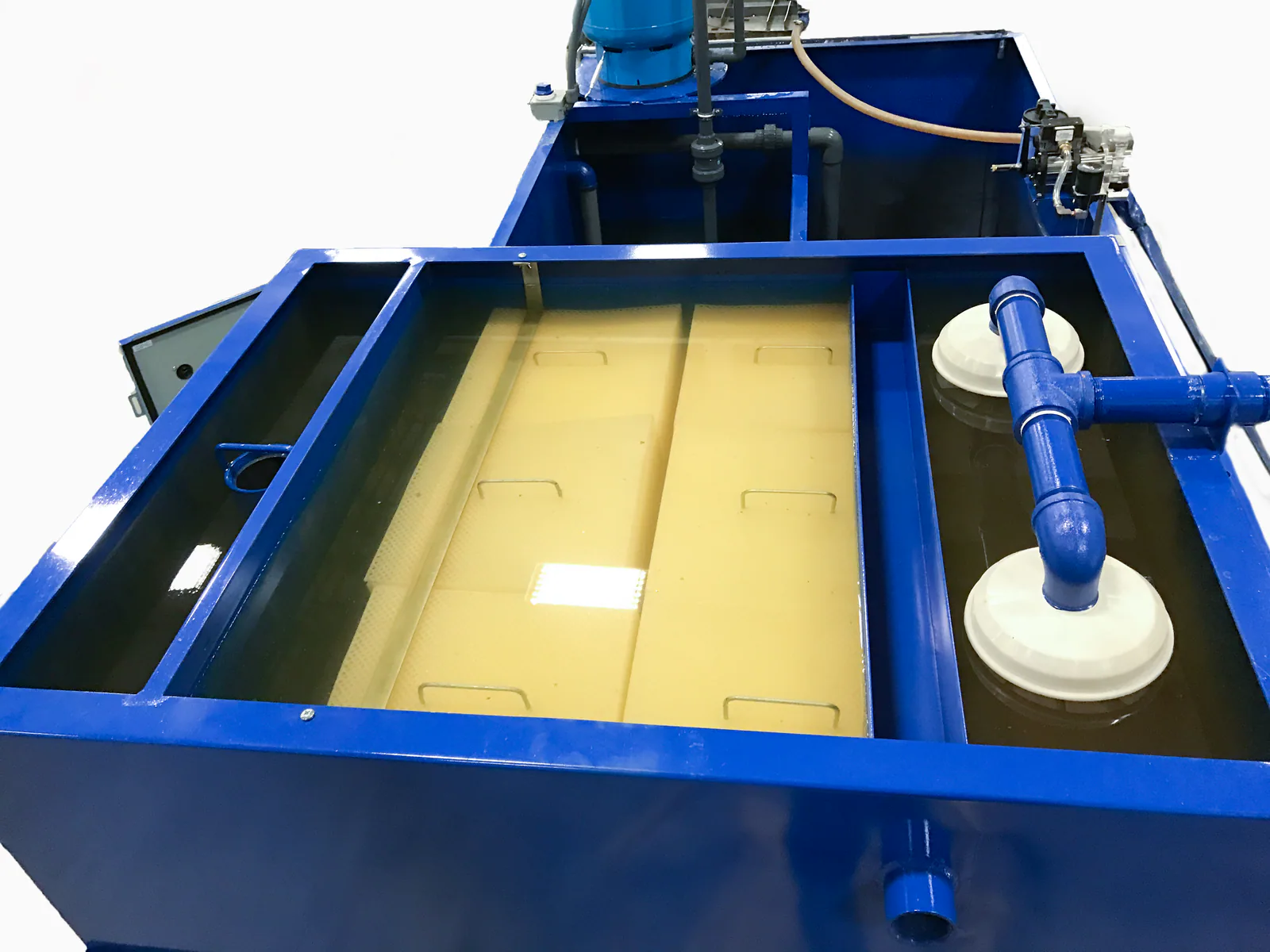
The troubleshooting steps below apply to recirculating water-miscible metalworking coolant used in CNC and other machine tools, including individual sumps and shared systems. Straight cutting oils operate differently and require separate fire-protection, mist-control, and exposure precautions, although some flow, filtration, and mechanical checks also apply. Follow the fluid supplier's instructions, equipment service information, and facility maintenance and safety procedures.
Common metalworking coolant problems and first checks
Recurring coolant problems can affect part quality, process stability, uptime, and safe operation. More than one condition may be present, so use each symptom to narrow the investigation before selecting a correction.
Scroll horizontally to compare all columns.
| Observed symptom | Possible conditions and safe checks | Recommended next step |
|---|---|---|
| Strong or unusual odor | Stagnant areas, recent downtime, surface tramp oil, low circulation, concentration outside the supplier's range, cross-contamination, or microbial activity. Note when and where the odor appears and use supplier-approved concentration, pH, or microbial tests when required. | When the system can be operated safely, restore circulation to the fluid supplier's or equipment manufacturer's specified conditions. Remove separable surface oil, trace contamination sources, and have the fluid supplier confirm the coolant's condition before chemical treatment or change-out. Do not mask the odor with an unapproved additive. |
| Persistent foam | Mechanical causes include low fluid level, pump air ingress, return splash, excessive agitation, and limited time for entrained air to escape. Fluid causes include concentration, makeup-water quality, cleaner carryover, incompatible additions, or degraded fluid condition. | Correct the confirmed operating or mechanical cause and compare concentration and water quality with supplier requirements. Use a defoamer only with the fluid supplier's approval. |
| Floating oil film | Hydraulic or lubrication leaks, process carryover, inadequate skimmer or separator operation, high oil loading, or restricted tank access. | Control the source. If the oil remains physically separable, match surface skimming or coalescing equipment to the fluid, tank, oil load, and operating conditions. If it does not, involve the fluid supplier before selecting a treatment method. |
| Excess solids | High chip or fines entry, loaded or damaged filter media, fluid bypassing the intended filter path, magnetic separator loading, settled sludge, or filtration that does not match the particle type. | Restore the appropriate solids-removal stage, correct fluid bypass or the contaminant source, and plan sump cleaning when accumulated material cannot be controlled online. |
| Unexpected cloudiness or appearance change | The product's normal appearance, recent mixing or additions, water quality, incompatible fluids or additives, tramp oil, solids, microbial activity, and whether one machine or a shared system is affected. | Confirm whether the appearance is expected for the product and preserve a representative sample when practical. Involve the fluid supplier before treating normal opacity as contamination or changing chemistry. |
| Concentration drift | The measurement method and refractometer factor, contamination affecting the reading, evaporation, recent water or concentrate additions, coolant carried out on parts and chips, and fluid loss through leaks. | Confirm the reading and follow the fluid supplier's approved mixing and correction procedure. Record the correction and verify the response. |
| Corrosion or staining | Concentration, water minerals or chlorides, contamination, fluid and material compatibility, cleaning or rinse steps, storage conditions, and where the condition appears. | Isolate affected parts or processes when appropriate, then review concentration, water quality, material compatibility, cleaning, and storage with the fluid supplier and the machining or quality team. |
| Tacky, oily, or mineral residue | High concentration, hard-water mineral buildup, tramp oil, fine solids, cleaner carryover, emulsion instability, and whether the residue appears while wet or after the fluid dries. | Confirm concentration and water quality using approved methods, identify the material in the residue when practical, and address the verified fluid, contamination, or process source. |
| Low or unstable flow, or a suspected line restriction | Fluid level, accessible filters or strainers, valve position, visible solids loading, leaks, supply or return restrictions, and abnormal pump sound or behavior. | Stop and isolate the equipment before opening, clearing, or servicing a pump, filter housing, pressurized line, or electrical component. |
| Leak or repeated fluid loss | The visible location, fluid type, loss rate, level trend, and whether the condition follows machine operation or recent service. Possible sources include seals, hoses, piping, valves, and pumps. | Stop for an uncontrolled leak or unsafe condition, follow the facility's spill and isolation procedure, and have trained maintenance evaluate the source using manufacturer service information. |
| Shorter tool life or a change in part finish | Coolant delivery and nozzle position, restricted flow, suspended fines, fluid condition, material, tooling, speeds and feeds, and whether the change is limited to one operation. | Discuss the change with the machining or production team, tooling specialist or machine manufacturer, and fluid supplier. Change fluid chemistry only after the contributing condition has been confirmed. |
| Uncontrolled mist or worker skin, eye, or respiratory symptoms | Visible mist, enclosure or mist-collector condition, fluid delivery pressure and flow, concentration, tramp oil, leaks, ventilation, and the applicable safety data sheet. | Report worker symptoms promptly through the facility's safety-reporting and medical-evaluation procedures. Follow the facility's exposure-control procedures and have qualified personnel evaluate the mist or contact source. |
| Short coolant life or repeated deterioration | Concentration and water trends, tramp oil, solids, cross-contamination, incomplete system cleaning, incompatible additions, microbial activity, coolant loss on parts and chips, leaks, and whether the condition returns after downtime. | Preserve a representative sample and ask the fluid supplier to determine whether the coolant remains suitable for continued use. Correct the contamination source before returning treated or replacement coolant to normal service. |
Check what changed before choosing a correction
First determine whether the problem affects one sump, several independent machines, or a shared coolant system. Then check for recent fluid additions, maintenance work, process or material changes, downtime, leaks, and filtration or separation service.
When it is safe, note the symptom before changing anything. Record the fluid's appearance, odor, foam, surface oil, settled solids, level, visible flow, residue, and any change in machining results. Preserve a representative sample if the fluid supplier or laboratory may need it.
- Confirm the measurement. Repeat approved measurements and confirm that the tool and method are appropriate for the fluid.
- Check recent history. Use trends and recent events to place an isolated reading in context.
- See how many machines are affected. A problem limited to one machine calls for different checks than a condition affecting a shared system.
- Review recent changes. Check fluid additions, leaks, chip carryover, return flow, process changes, and filtration loading.
Evaluate fluid condition and chemistry
A coolant can move outside its intended operating condition because of incorrect mixing, water loss, coolant carried out on parts and chips, contamination, incompatible additions, or a process change. Confirm the product and use the fluid supplier's approved test method before deciding that concentration is high or low.
Why coolant develops odor
The timing of an odor can help narrow the cause. Odor after downtime may point to stagnant flow or surface tramp oil. Odor in one sump suggests a local issue, while odor across a shared system calls for checking shared circulation, water, chemistry, and contamination. Use the structured checks in Why coolant smells bad to distinguish the likely sources and determine when supplier testing is appropriate.
What causes persistent coolant foam
When foam appears after pump service, a fluid-level change, or a return-flow change, check for air ingress, splash, agitation, and insufficient air-release time. If it appears after mixing, makeup-water, cleaning, or additive changes, check concentration, water quality, cleaner carryover, and fluid compatibility with the supplier.
Why corrosion and residue require separate checks
Corrosion can involve concentration, water chemistry, contamination, material compatibility, rinsing, or storage. Residue may instead reflect high concentration, water minerals, tramp oil, fine solids, cleaner carryover, or emulsion instability. Where corrosion or residue appears and what it looks like can help the machining, quality, maintenance, and fluid-supplier teams identify the cause.
Confirm the chemistry before adding treatment
Do not add biocide, defoamer, corrosion inhibitor, concentrate, or another treatment solely because a symptom appears to fit. Verify the condition, follow the fluid supplier's instructions, and use the facility's approval process. An incompatible or excessive addition can make the original problem harder to interpret.
For routine monitoring and change-out guidance, see our CNC coolant management guide.
Check coolant delivery, filtration, and equipment
Low flow, unstable level, repeated filter loading, visible bypass, or abnormal pump behavior can prevent otherwise suitable coolant from reaching the process or moving through the treatment stages correctly. Start with observations that do not require opening guards or covers or accessing energized equipment.
When flow, tool life, or finish changes
If the change is limited to one operation, first check coolant delivery, nozzle position, tooling, material, and speeds and feeds. Similar changes across several machines justify checking shared coolant condition, solids loading, and system flow.
Compare filter or separator loading with the contaminant entering the system. Ferrous material, mixed particulate, and tramp oil require different treatment methods. A magnetic separator, paper-bed filter, and tramp-oil separator perform different roles. Each treatment stage should be matched to the contaminant and process condition it is designed to address.
Address contamination that keeps returning
Rapid recontamination after skimming, filtering, or sump cleaning usually means that a contamination source is still present. Look for lubricant and hydraulic leaks, chip or grinding fines entering the return, dirty transfer equipment, inaccessible deposits, dead zones, and incompatible material entering from another process.
When the source cannot be eliminated completely, match the treatment method to the contaminant and operating conditions:
- Separable surface oil: confirm that tank access, oil load, and fluid compatibility suit the selected skimmer or coalescing separator.
- Ferrous fines: magnetic separation may be used ahead of downstream filtration when the process and particle behavior support it.
- Non-ferrous or mixed particulate: choose filter media and solids-handling capacity based on particle type, flow, and contaminant loading.
- Settled solids and sludge: use safe fluid transfer and sump cleaning to remove deposits beyond the reach of online filtration.
- Multiple machines: compare machine-side treatment with a shared collection, recycling, and return system based on the plant layout and operating requirements.
Use the coolant system selection guide to compare equipment roles. If repeated fluid replacement or disposal is the concern, the coolant disposal diagnostic helps separate contamination control, fluid loss, and system-capacity or configuration issues.
Decide whether to treat, recycle, or replace the coolant
Filtration and separation remove targeted contaminants such as solids and physically separable tramp oil. Restoring coolant for reuse may also require supplier-approved chemistry correction and confirmation that the fluid remains suitable for continued use.
Use a representative sample, operating history, supplier guidance, and the facility's criteria for returning coolant to service to make the decision. Severe biological contamination, an incompatible chemical addition, unstable fluid condition, or rapid deterioration after correction may justify system cleaning and change-out. A change-out may also be appropriate when the coolant has been confirmed as the cause of poor machining performance after tooling, material, and delivery variables have been reviewed.
- Confirm suitability for continued use. Ask the fluid supplier or a qualified laboratory to evaluate the coolant when your facility's approved tests cannot establish its condition.
- Correct the source. Address leaks, solids, tramp oil, cross-contamination, mixing, or water-quality problems that would affect the treated or replacement fluid.
- Verify the result. Repeat the approved measurement, confirm machining performance, and monitor whether the symptom returns during normal operation or after downtime.
- Manage removed coolant correctly. Use the facility's waste determination and applicable disposal procedures for fluid removed from service.
Know when to stop and get help
Initial checks should not create a maintenance or exposure hazard. Stop and involve the appropriate trained personnel when there is an uncontrolled leak, damaged electrical equipment, unexpected pressure or heat, abnormal mechanical noise, loss of guarding, a suspected incompatible chemical addition, or a condition the operator is not trained and authorized to handle under site procedures.
Report skin, eye, or respiratory symptoms and uncontrolled mist through the facility's safety-reporting and medical-evaluation procedures. Follow the safety data sheet and the facility's exposure-control procedures.
Contact the fluid supplier when chemistry, compatibility, sampling, or corrective additions are in question. Contact maintenance or the equipment manufacturer when the issue involves flow, pumps, controls, housings, valves, piping, or electrical components. Involve the machining or production team when tooling, material, finish, or machining parameters may be contributing.