
Coolant filtration
for CNC machines.
CNC coolant can carry chips, metal fines, tramp oil, and settled sludge. Select filtration and separation equipment by contaminant, or use C.R.O.S.S. for shop-wide coolant recycling.
- 99.75%
- tramp oil & particulate removed by C.R.O.S.S.
- up to85%
- reduction in new fluid purchases
- 98%
- ferrous fines removed by the magnetic separator
- 4h → 15m
- sump clean, by hand vs by machine
Match the equipment to the coolant condition
Each technology addresses a specific contaminant or maintenance requirement. Select the condition to review the corresponding equipment and performance range.
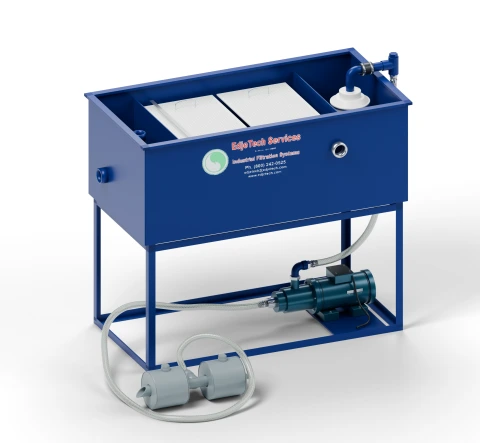
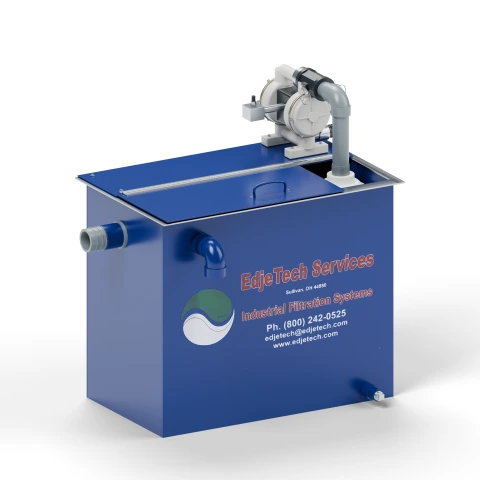
Free oil collects on the sump surface, supports bacterial growth, creates odor, and shortens coolant life. When tramp oil occurs with suspended particulate, rising disposal volume, and high coolant consumption, evaluate a shop-wide recycling system.
Steel and cast-iron fines recirculate through the cut, affect surface finish, and accumulate as sump sludge. Magnetic separation captures ferrous material only; brass and aluminum pass through. For mixed metals, use magnetic separation before a paper bed filter.
Brass, aluminum, abrasive grit, and mixed particulate require filtration beyond magnetic separation. If grinding is your primary process, start with grinding coolant filtration →.
 Paper Bed FilterDisposable fabric on a self-advancing bed catches metallic and non-metallic particles alike, 10 to 60 microns by fabric.10–60 µm · 13–528 GPMView the system →
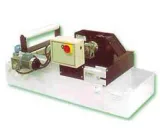 DCO combinationMagnetic separation captures the ferrous load first, followed by paper-bed filtration for the remaining particulate.TWO STAGES · ONE SYSTEMView the system →
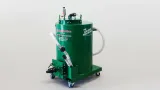
Settled chips and sludge increase sump-cleaning time, machine downtime, and manual material handling. Frequent sump cleaning can indicate a broader coolant-management requirement, and the same transfer unit can deliver collected coolant to C.R.O.S.S. for recycling. Review batch recycling →
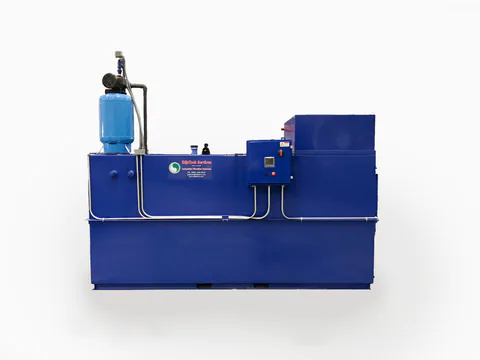
Tramp oil, suspended particulate, increasing disposal volume, and higher new-coolant purchases indicate a shop-wide coolant-recycling requirement. Machine-shop applications beyond the standard C.R.O.S.S. model range require engineering review and may use one or more systems. Talk to an engineer →
 C.R.O.S.S.
Address multiple coolant contaminants
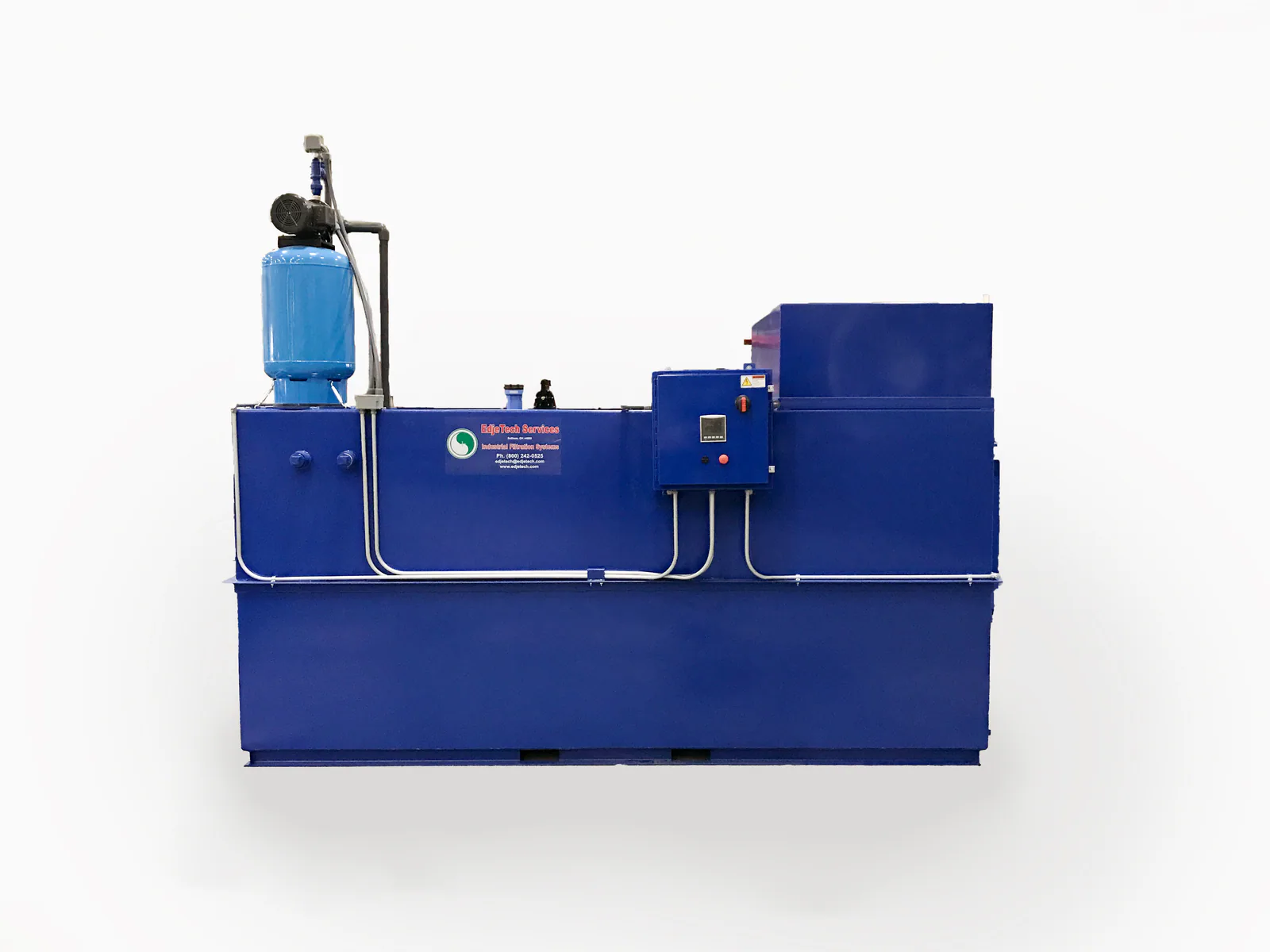
When tramp oil, particulate, coolant consumption, and disposal volume increase together, central recycling can replace separate corrective measures. C.R.O.S.S. pre-filters large particulate, separates free and loosely emulsified tramp oil, and captures fine particulate. The proportioner mixes concentrate and water at the required concentration, while the system maintains clean coolant for immediate use 24/7/365 at 99% or greater uptime.
- Pre-filterLarge particulate
- SeparateTramp oil to 0.25%
- PolishFine particulate
- ProportionConcentration held
Compare operating results
Performance differs by product and contaminant. Use your quoted investment and current fluid, disposal, labor, and maintenance costs to estimate simple payback.
- 99.75%
- C.R.O.S.S. removes tramp oil and particulate by volume, with up to 85% less new fluid and up to 90% lower disposal costs.
- <0.5%
- T.O.S.S. holds tramp oil residual by volume, with up to 80% less new fluid and recovered oil at 1 to 2% water.
- 98%
- Magnetic separator removes ferrous fines without disposable media; paper-bed filtration captures particulate from 10 to 60 microns, depending on the selected fabric.
- Approx. 15 min
- Green Machine can complete a typical sump cleaning that requires about four hours by hand.
Common application questions
- 01
Do I need a full recycling system, or a separator or filter?
A single contaminant in one or several sumps may require only a T.O.S.S., magnetic separator, or paper-bed filter. Where multiple contaminants affect several machines and coolant and disposal costs are increasing, C.R.O.S.S. provides shop-wide coolant recovery.
Estimate potential savings → - 02
Will it handle my coolant and metal mix?
The answer depends on the fluid and contamination: ferrous fines, nonmagnetic solids, and tramp oil require different treatment. Ask about the coolant and materials you already run, so the recommendation fits your machines.
Talk to an engineer → - 03
What information is needed for a quote?
You can request a specific product or briefly describe the job, such as removing oil from CNC sumps or recycling used coolant. Add your contact details; EdjeTech will follow up on any sizing questions needed for the quote.
Request a quote →
Keep contamination from shortening coolant life
Control oil and fines to support longer coolant life, cleaner machining, and consistent part finish.
- Savings estimate
Savings calculator
Estimate potential reductions in coolant purchases and disposal costs.
Estimate potential savings → - Product specifications
C.R.O.S.S.
Review machine-shop recycling models, throughput, configurations, and options.
View C.R.O.S.S. → - Equipment guidance
Talk to an engineer
Control contamination that shortens coolant life or affects machining quality.
Talk to an engineer → - Machine-shop applications
Machine shops
Review equipment roles across different machine-shop operating conditions.
See machine shops →